The Community Playbook: 9 Ways South Asian Businesses Build Loyal Customer Networks That Scale
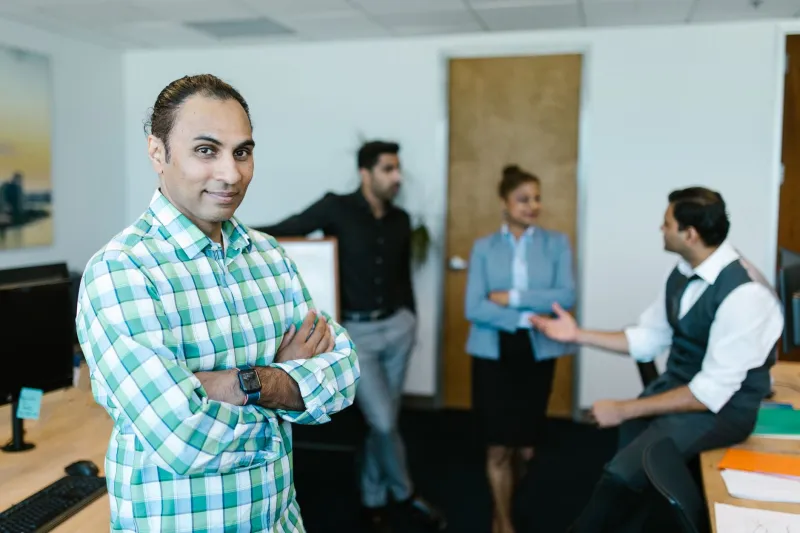
If you've spent any time around South Asian entrepreneurs, you already know: the community hustle is real. Long before "growth hacking" became a LinkedIn buzzword, South Asian business owners were building referral networks at temple functions, passing business cards at Diwali parties, and growing their customer base one trusted recommendation at a time.
That instinct? It's a genuine competitive advantage. And when you pair it with modern marketing infrastructure, it becomes something seriously powerful.
Here are nine strategies South Asian founders can use right now to build community-driven growth that's both authentic and scalable.
1. Map Your Diaspora Network Before You Spend a Dollar on Ads
Before you launch any paid campaign, take stock of the community assets you already have. South Asian diaspora networks in the US are dense, interconnected, and incredibly influential within their own circles. Think: local cultural associations, professional networks like TiE (The Indus Entrepreneurs), South Asian student organizations, WhatsApp groups, and regional community centers.
These aren't just warm leads — they're potential brand evangelists who will share your business with real enthusiasm if you show up as one of their own. Start there.
2. Build a Referral Program That Feels Like a Favor, Not a Transaction
Here's the thing about South Asian community culture: people refer businesses they genuinely believe in, and they do it freely. A clunky, overly transactional referral program can actually undercut that natural behavior.
Instead, design referral incentives that feel like gifts. Think exclusive early access, a handwritten thank-you, or a discount framed as "something for your family." The language and framing matter enormously. You want your customers to feel like they're doing their friend a favor — not completing a marketing funnel step.
3. Show Up at the Events Your Customers Actually Attend
Diwali festivals. Eid bazaars. Navratri garba nights. Vaisakhi parades. These aren't just cultural celebrations — they're high-concentration marketing opportunities where your target audience is already gathered, already in a celebratory mindset, and already predisposed to support South Asian-owned businesses.
Sponsoring or vending at these events isn't just good for brand visibility. It signals community membership in a way that no digital ad can replicate.
4. Create a WhatsApp or Signal Group for Your Best Customers
This one is underrated. South Asian consumers are already living in group chats — for family updates, local recommendations, community news. If you create an exclusive group for your top customers or early supporters, you're building a direct communication channel that bypasses algorithms entirely.
Use it to share behind-the-scenes updates, first looks at new products, and exclusive offers. Keep it conversational. The goal is to feel like a group chat, not a newsletter.
5. Partner With Complementary South Asian Businesses
Collaboration over competition is a principle that gets preached everywhere but practiced more naturally in South Asian business culture. Find businesses that serve a similar customer base without directly competing with you — a South Asian-owned clothing boutique partnering with a mehndi artist, or a desi meal prep service partnering with a local grocery store.
Cross-promotions, joint events, and bundled offers let both businesses tap into each other's loyal customer base with built-in trust already intact.
6. Invest in a Brand Ambassador Program — Starting With One Person
You don't need a formal influencer budget to start an ambassador program. Identify one or two people in your community who are genuinely enthusiastic about your brand and already talking about you. Give them a name for what they're doing, some exclusive perks, and a simple way to share a referral link or promo code.
Among South Asian communities, micro-influencers — people with a few thousand highly engaged followers within a specific cultural niche — often drive more meaningful conversions than larger accounts with diluted audiences. Think: a popular food blogger in the desi community, a South Asian mommy blogger, or a local community organizer.
7. Use Storytelling to Turn Customers Into Advocates
People share stories, not features. If you want your customers talking about you, give them a story worth telling.
This could be the founder's immigration journey. The family recipe that started it all. The community need your business was built to solve. When customers feel emotionally connected to your brand's narrative, they become natural advocates — because recommending your business becomes part of their story too.
Feature customer testimonials that go beyond "great product!" Ask your customers what the product or service means to them. Those answers will surprise you.
8. Build Online Community Spaces That Center Your Audience
Facebook Groups, Discord servers, and even subreddits can be powerful community infrastructure when they're built around your audience's interests rather than your brand. A South Asian women's wellness brand, for example, might build a private Facebook Group around holistic health practices in South Asian households — not a group about the brand itself.
When you lead with value and community first, your brand becomes the trusted host of a space people genuinely want to be in. That's a very different relationship than follower-to-brand.
9. Measure Community Health, Not Just Conversion
Here's where a lot of businesses get tripped up: they apply pure e-commerce metrics to community-driven growth and wonder why the numbers don't tell the full story.
Track referral rates, repeat purchase frequency, and engagement within community spaces alongside your standard conversion data. Customer Lifetime Value (CLV) is especially important here — community-built customers tend to buy more, refer more, and churn less. That's the compounding return on relationship investment.
The Long Game
Community-driven growth doesn't produce overnight spikes on your revenue dashboard. What it produces is something more durable: a base of customers who feel genuinely connected to your brand, who bring their networks along, and who stick around even when a cheaper competitor shows up.
For South Asian businesses in the US, that kind of loyalty isn't a foreign concept — it's literally how business has always been done. The opportunity now is to build the modern infrastructure around it.
At MarketingWala, we help South Asian founders turn their natural community instincts into structured, scalable growth systems. Because the wala in our name isn't just a nod to our roots — it's a reminder that the best businesses are built on relationships.