The Cultural Calendar That Prints Money: How South Asian Founders Can Turn 2025's Biggest Moments Into Real Revenue

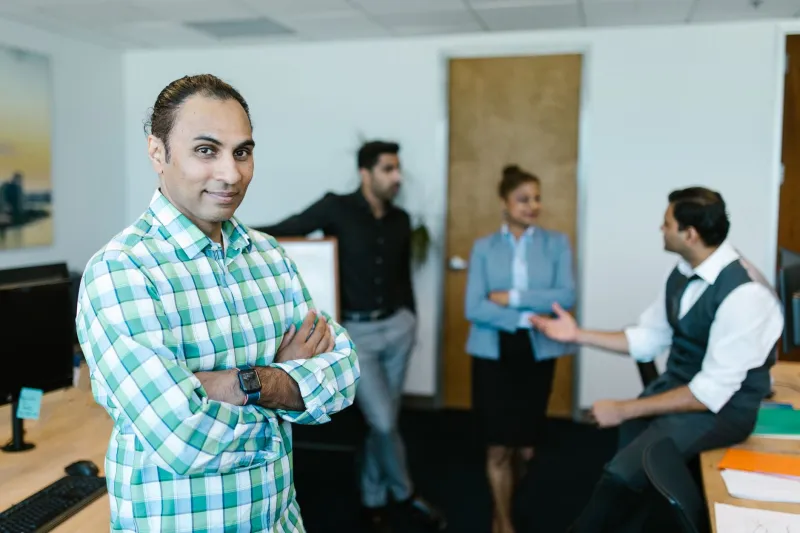
Photo by Photo by Shavonne Yu on Unsplash on Unsplash
Every year, the same thing happens. Diwali rolls around, South Asian-owned businesses scramble to throw together a promotion, post a graphic with some diyas on it, and call it cultural marketing. Then November 1st arrives and the strategy goes dark until next October.
That's not a cultural marketing strategy. That's leaving money on the table eleven months out of the year.
The South Asian founders who are actually building sustainable revenue from cultural relevance aren't just showing up for the big holidays. They're thinking in terms of a full calendar—major moments, micro-moments, seasonal rhythms, and community milestones that give them dozens of touch points throughout the year. And they're planning months in advance, not weeks.
Here's your 2025 playbook.
Why Cultural Timing Is a Growth Lever, Not Just a PR Move
Before we get into the calendar, let's reframe the goal. Cultural marketing isn't about looking good or performing heritage. It's about relevance—showing up in your customer's life at the exact moment they're already thinking about the things your brand connects to.
When you align your product launch, email campaign, or ad spend with a moment your audience is emotionally invested in, you're not fighting for attention. You're riding existing momentum. That's a fundamentally different (and more efficient) use of your marketing budget.
The brands that understand this don't just see higher conversion rates during cultural moments—they see longer customer relationships, higher average order values, and stronger word-of-mouth. Because relevance builds trust, and trust builds revenue.
Q1: January – March
Lohri (January 13) — Primarily celebrated by Punjabi communities, Lohri marks the end of winter and is associated with warmth, harvest, and new beginnings. For food brands, home goods businesses, and wellness companies, this is a natural early-year launch window. Position products around comfort, warmth, and fresh starts. The audience skew here is Punjabi diaspora in cities like Fremont, CA, Chicago, and the greater New York metro.
Pongal (January 14) — Tamil communities across the US celebrate Pongal as a harvest festival. This is an underserved moment in South Asian marketing, which means less competition for attention. Brands with any connection to food, agriculture, or family tradition have a genuine hook here.
Republic Day (January 26) — Indian-Americans engage with this date in varying degrees of nostalgia and pride. It's less about sales and more about brand affinity. A thoughtful post, a founder story, or a community spotlight performs better than a promo code here.
Valentine's Day (February 14) — Yes, this is a mainstream American holiday. But South Asian-owned jewelry brands, sweet shops, clothing boutiques, and experience businesses absolutely should be competing here. The key is layering your cultural identity into the Valentine's framing—think mithai gift boxes marketed as romantic gestures, or traditional jewelry positioned as heirloom love tokens.
Holi (March 14, 2025) — This is one of the most visually explosive moments on the South Asian calendar, and it's crossed over into mainstream American awareness in a big way. Brands in beauty, apparel, food, and experiential categories should be planning campaigns six to eight weeks out. User-generated content campaigns perform exceptionally well here—invite your audience to share their Holi moments with your product in the frame.
Q2: April – June
Baisakhi / Vaisakhi (April 13) — A harvest and new year celebration for Sikh communities, and a significant date for Punjabi culture broadly. This is a high-engagement moment for community-oriented brands. Think partnerships with gurdwaras, local events, or charitable campaigns tied to food access (a natural extension of the harvest theme).
Eid al-Fitr (March 30 – April 1, 2025) — The end of Ramadan is one of the biggest gifting and celebration moments in the Muslim calendar. South Asian Muslim communities are a significant and often underserved segment. Clothing, food, home goods, and personal care brands have strong opportunities here. Start your Ramadan campaign no later than four weeks before Eid.
Mother's Day (May 11) — Another mainstream holiday with major South Asian cultural resonance. The mother figure in South Asian families carries enormous emotional weight. Campaigns that acknowledge this—without being saccharine—tend to outperform generic Mother's Day promotions. Jewelry, skincare, cooking-related gifts, and experience brands should plan aggressive campaigns here.
Asian American and Pacific Islander Heritage Month (May) — This is a growing moment for brand visibility and media coverage. Pitch your founder story to local and national outlets. Partner with other South Asian-owned businesses for cross-promotional campaigns. Apply for features in publications that spotlight diverse entrepreneurs during this window.
Q3: July – September
Independence Day India / Pakistan (August 14–15) — These dates drive enormous nostalgia and national pride in diaspora communities. It's a strong moment for apparel, food, and lifestyle brands to run campaigns that speak to heritage and homeland connection. Tricolor aesthetics, patriotic messaging, and community-first campaigns all perform well.
Back to School (August) — If your business serves families, this is a major spending season. South Asian-American families are statistically high spenders on education-related products. Tutoring services, stationery brands, tech accessories, and even food brands (lunchbox-friendly products) can capitalize here.
Ganesh Chaturthi (August 27, 2025) — A major 10-day festival with deep roots in Maharashtra and South Indian communities. Cities like Chicago, Houston, and the Bay Area have large, active celebrations. Local businesses especially should be planning events, sponsorships, and promotions around this window.
Q4: October – December
Navratri and Garba Season (September 22 – October 2, 2025) — This is a massive cultural moment for Gujarati communities, and Garba events across the US draw thousands of attendees. Clothing brands (especially those selling chaniya choli and traditional wear), jewelry, and beauty companies should be running campaigns a full month in advance. This is also a strong affiliate and influencer marketing window.
Diwali (October 20, 2025) — The big one. But here's the thing: if you're starting your Diwali campaign in October, you're already behind. The brands that win Diwali start planning in July and begin warming audiences in September. Think beyond the discount code—consider limited-edition packaging, charitable giving campaigns, community events, and multi-week storytelling arcs that build to the festival.
Eid al-Adha (June 6–10, 2025) — Note that this one falls in Q2 in 2025, but it shifts annually. Mark it in your planning calendar as a recurring high-priority moment for brands serving Muslim communities.
Holiday Season (November – December) — South Asian-owned businesses often underinvest here because it feels like "someone else's holiday." That's a strategic mistake. South Asian-Americans participate in holiday gifting culture at high rates. Position your products explicitly as holiday gifts. Lean into the "give something meaningful" angle that your cultural story naturally supports.
Audience Segmentation: One Culture Is Not a Monolith
Here's where most South Asian marketing falls apart: treating the entire community as one audience. Indian, Pakistani, Bangladeshi, Sri Lankan, Nepali—these are distinct communities with different celebrations, languages, and consumer behaviors. Add in the generational split between first-gen immigrants and second-gen Americans, and you're looking at a highly segmented market that rewards specificity.
Before you build a campaign around any cultural moment, ask: Which specific community is this for? What does this moment mean to them emotionally? And how does my product fit into that meaning?
The more specific your answer, the more effective your campaign.
The 60-Day Rule
If there's one tactical takeaway from this entire guide, it's this: start every major cultural campaign sixty days before the date. That's when you begin building awareness. Thirty days out, you shift to consideration and conversion. The final two weeks are for urgency and last-minute buyers.
Most brands do the opposite—they start two weeks out and wonder why the results are underwhelming. The cultural calendar only works if you respect its lead time.
Plan your 2025 now. Your future revenue is already on the calendar.